
Termites are one of the most destructive pests affecting homes across Southern California. Thanks to warm temperatures and moderate humidity year-round, termites remain active far longer here than in many other parts of the country — and 2026 is shaping up to be a particularly active swarm season.
Early-season moisture from winter rains followed by warm spring temps creates ideal swarming conditions for both subterranean and drywood termites across San Diego, Orange County, and Riverside County. Unfortunately, many homeowners don’t realize they have a termite problem until swarmers appear or visible damage is already present — and by that point, repairs can be extensive and expensive.
Professional termite control services are the most effective way to protect your home before termite activity escalates. Early detection through a routine termite inspection allows infestations to be addressed before termites compromise your home’s structural integrity and value.
When Is Termite Swarm Season in San Diego?
In Southern California, termite swarm season typically peaks between March and June, though activity can occur nearly year-round due to our mild coastal and inland climates. In 2026, pest professionals are seeing early swarm activity starting in late February across coastal San Diego and inland Riverside — about 2–3 weeks ahead of typical timelines.
Swarmers are reproductive termites that leave an established colony to form new ones. While swarmers themselves don’t cause structural damage, their presence is a strong warning sign of an active colony nearby — or already inside your home.
If you notice winged termites indoors, discarded wings near windows or doors, or swarmers outside your home, contact a professional termite control provider immediately. Swarmers often indicate that termites have been active for months or even years before becoming visible.
Common Signs of Termite Damage in Southern California Homes
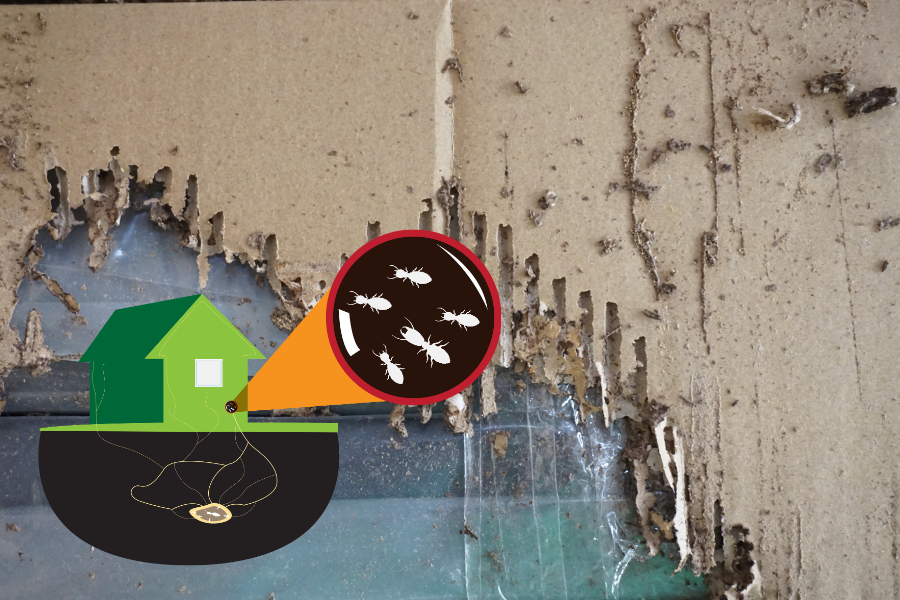
One of the most dangerous aspects of termites is how quietly they operate. Termite damage typically develops behind walls, beneath flooring, and inside support beams — often out of sight until the problem becomes severe.
Common warning signs include:
- Hollow-sounding or weakened wood
- Blistered, bubbling, or peeling paint that resembles water damage
- Mud tubes along foundations or walls (a hallmark of subterranean termites)
- Discarded wings near doors, windows, or baseboards
- Sagging floors or ceilings
- Tight-fitting doors or windows caused by warped wood
- Small piles of frass (drywood termite droppings) near windowsills or baseboards
Because termites consume wood from the inside out, visible signs often appear only after significant damage has already occurred. This is why annual inspections are critical — not just reactive treatment after the damage is done.
Why a Professional Termite Inspection Is Critical

A professional termite inspection provides a thorough evaluation of your home’s most vulnerable areas. Trained technicians know where termites hide and how to identify both active infestations and early warning signs that homeowners typically miss.
During a termite inspection, professionals examine:
- Crawl spaces and attics
- Foundations and slab penetrations
- Wood-to-soil contact points
- Moisture-prone areas such as bathrooms, kitchens, and laundry rooms
- Fences, decks, and exterior wood structures
- Garage framing and attached structures
Routine termite inspections are one of the most effective tools for preventing long-term damage and protecting your investment before costly repairs are needed. For homes in high-risk areas — coastal properties, older construction, and homes near natural vegetation — annual inspections are especially important.
The True Cost of Ignoring Termite Damage
One of the biggest risks homeowners face is underestimating the financial impact of termites. According to the National Pest Management Association, termites cause an estimated $5 billion in property damage annually in the U.S. — and termite damage is rarely covered by homeowners insurance, meaning repair costs come entirely out of pocket.
Left untreated, termites can compromise:
- Structural framing and load-bearing elements
- Flooring and subfloors
- Drywall and interior walls
- Roof decking and attic structures
- Exterior siding and trim
Preventative termite control services and regular inspections are far more affordable than repairing advanced structural damage — or dealing with safety concerns caused by weakened construction. A typical annual inspection costs a fraction of what a single structural repair runs. than repairing advanced structural damage—or dealing with safety concerns caused by weakened construction.
How Professional Termite Control Services Protect Your Home
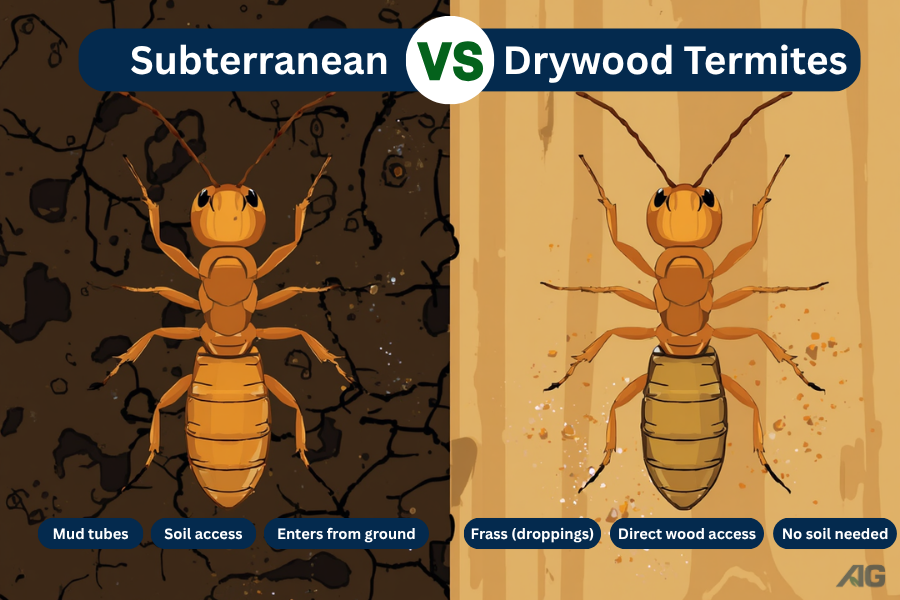
Professional termite control uses proven treatment methods tailored to the termite species most common in Southern California, including subterranean termites (which build mud tubes and enter from the soil) and drywood termites (which infest wood directly without soil contact). Each requires a different treatment approach.
Effective termite control may include:
- Targeted liquid or foam treatments to eliminate active colonies
- Bait station systems for ongoing subterranean termite monitoring
- Localized or full-structure fumigation for drywood termites
- Preventative barriers and exclusion methods
- Moisture control recommendations to reduce conducive conditions
- Ongoing monitoring and follow-up inspections
A customized treatment plan ensures your home receives the right level of protection based on its construction type, location, and specific risk factors.
How Often Should Southern California Homes Get a Termite Inspection?
Most homes in San Diego, Orange County, and Riverside should receive a termite inspection at least once per year. However, certain properties may benefit from more frequent inspections, including:
- Homes near the coast where moisture levels stay elevated
- Older properties built before modern termite-resistant construction standards
- Houses with previous termite history or prior treatments
- Homes with extensive wood features, mature landscaping, or trees close to the structure
- Properties with attached wood fences, pergolas, or decks
Regular inspections catch problems early — before termites cause serious structural or financial damage.
Why Choose a Local Southern California Termite Control Company?
Local termite control companies understand Southern California’s unique climate patterns, construction styles, and termite behavior across different microclimates — from coastal San Diego to inland Riverside and everything in between. This regional expertise allows for more accurate inspections, better treatment recommendations, and more effective long-term results.
Working with a local provider means your termite control plan is designed specifically for your area — not a one-size-fits-all approach from a national chain.
Schedule a Termite Inspection With AG Pest
AG Pest has been providing thorough termite inspections and customized termite control services across San Diego, Orange County, and Riverside County since 1982. Scheduling an inspection before swarm season peaks can save homeowners thousands of dollars in repairs and provide long-term peace of mind.
Protect your home before termites do serious damage. Contact AG Pest today to schedule your free professional termite inspection.
Looking for rodent or wildlife control? Learn about our full pest control services for Southern California homes and commercial properties.
FAQ: Termite Control in Southern California
Termite swarm season in San Diego typically runs from March through June, though activity can occur year-round. In 2026, early swarm activity has been reported starting in late February due to favorable moisture and temperature conditions.
Common signs include mud tubes on foundations, hollow-sounding wood, discarded wings near windows and doors, small piles of frass (termite droppings), and paint that appears blistered or bubbled. Because termites work from the inside out, a professional inspection is the most reliable way to detect activity.
Many local providers, including AG Pest, offer free termite inspections for residential properties. The cost of an inspection is minimal compared to the thousands of dollars in repair costs that undetected termite damage can cause.
In most cases, no. Homeowners insurance typically does not cover termite damage because it’s considered a maintenance issue rather than sudden or accidental damage. This makes preventative inspections and treatment especially important.
At minimum, once per year. Homes in high-risk areas (coastal San Diego, older construction, previous termite history) should consider inspections every 6–12 months.
Subterranean termites live in the soil and build mud tubes to access wood structures. Drywood termites infest wood directly and don’t need soil contact. Both species are common in Southern California and require different treatment methods.
About the Author
This article was reviewed by the Agricultural Pest Control team, led by professionals with over 40 years of experience in termite and pest management across Southern California. AG Pest has been protecting homes and commercial properties in San Diego, Orange County, and Riverside County since 1982. Learn more about AG Pest.