
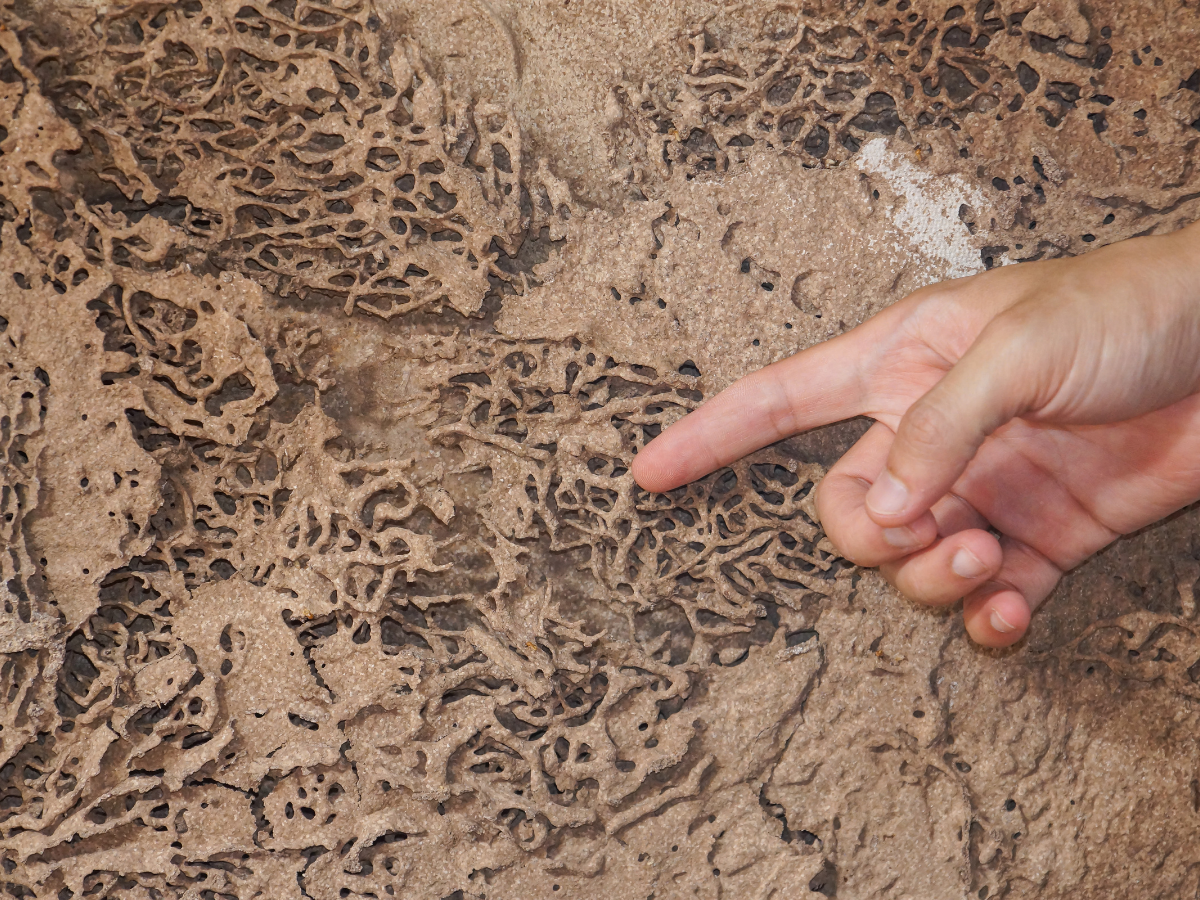
If you’ve recently scheduled a termite inspection near you, you may be wondering what comes next. A professional termite inspection is the first step in protecting your home, but understanding the inspection results and planning the right treatment is just as important.
In this guide, we’ll walk you through exactly what happens after a termite inspection, how to read your termite inspection report, what treatment options may be recommended, and how to decide the best path forward to treat termites before serious damage occurs.
Step 1: Reviewing Your Termite Inspection Report
Once your inspection is complete, the technician will provide a termite inspection report outlining their findings. This document is critical for determining next steps.
What a Termite Inspection Report Typically Includes
- Evidence of active termites or signs of past activity
- Areas of concern, such as damaged wood or moisture-prone zones
- Type of termites identified (subterranean, drywood, etc.)
- Severity of infestation, if present
- Recommended treatment options and preventative measures
At Ag Pest, inspectors take time to explain your report clearly, ensuring you understand not just what was found, but why it matters.
Step 2: Determining If Treatment Is Needed
Not every inspection results in immediate treatment. Based on your termite inspection report, outcomes usually fall into one of three categories:
1. No Termite Activity Found
If no termites or damage are detected, the inspector may recommend:
- Preventative treatments
- Annual termite inspections
- Moisture control or structural adjustments
This proactive approach helps prevent future infestations.
2. Signs of Past Termite Activity
If previous damage is found but no active termites are present, your technician may suggest:
- Targeted preventative treatments
- Monitoring systems
- Repairs to reduce re-infestation risk
3. Active Termite Infestation
If live termites are found, prompt treatment is critical to prevent further structural damage.
Step 3: Choosing the Right Termite Treatment Plan
Once treatment is recommended, your pest professional will design a plan based on the infestation type, extent of damage, and your property’s structure.
Common Ways to Treat Termites
Localized Termite Treatments
Best for smaller, isolated infestations:
- Spot treatments
- Foam or liquid applications
- Wood treatments
Baiting Systems
Ideal for long-term control and prevention:
- Strategically placed bait stations
- Continuous monitoring
- Environmentally conscious solution
Whole-Structure Treatments
Used when infestations are widespread:
- Fumigation (for drywood termites)
- Comprehensive coverage for severe cases
Ag Pest focuses on targeted, effective termite control solutions, recommending the least invasive method necessary to eliminate the problem.
Step 4: Understanding Treatment Timing and Preparation
Your technician will explain:
- How soon treatment should begin
- How long the process will take
- What preparation is required, if any
- Safety precautions for family and pets
Acting quickly after your termite inspection near you helps minimize repair costs and long-term damage.
Step 5: Preventative Recommendations After Treatment
After termites are treated, prevention becomes the priority.
Post-Treatment Prevention Tips
- Schedule annual termite inspections
- Address moisture issues around the foundation
- Seal entry points and cracks
- Avoid wood-to-soil contact
- Store firewood away from your home
Ag Pest offers ongoing termite protection plans to help homeowners stay protected year-round.
Why Professional Guidance Matters After a Termite Inspection
Interpreting a termite inspection report and choosing the right treatment requires professional expertise. Delaying action or choosing the wrong solution can allow termites to continue causing hidden damage.
Working with a trusted, local pest control company ensures:
- Accurate diagnosis
- Effective treatment
- Long-term protection
- Peace of mind
Schedule Your Termite Inspection With Ag Pest Control
Protect Your Home Before Termites Cause Costly Damage
Whether your inspection revealed active termites or you’re planning preventative care, Ag Pest Control is here to help. Our experienced team provides thorough termite inspections, clear treatment plans, and proven solutions designed for long-term protection.
- Local experts you can trust
- Honest recommendations based on your inspection report
- Effective solutions to treat termites and prevent future infestations
Schedule your termite inspection or treatment consultation with Ag Pest today.