
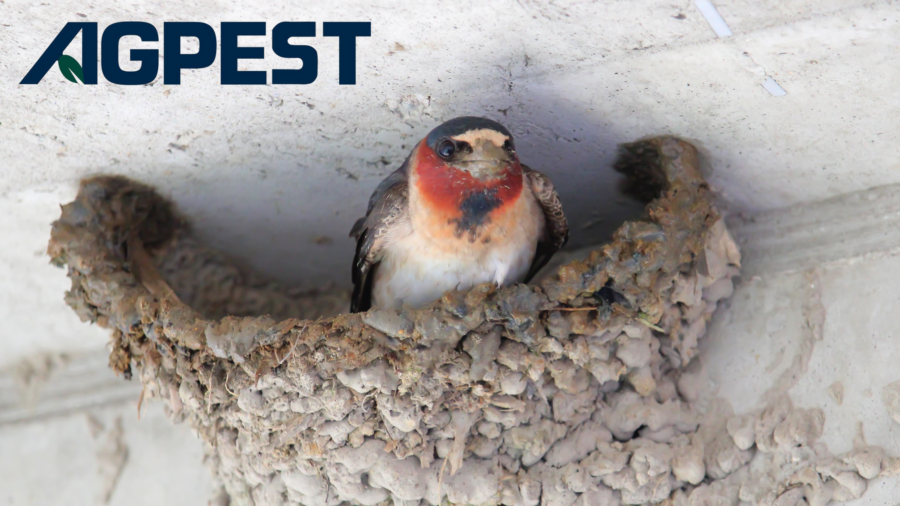
Mud swallows, with their distinctive mud nests clinging to eaves and walls, are a common sight in San Diego, California. While these birds are fascinating creatures, their presence can pose challenges for homeowners. As a leading pest control company in San Diego, we understand the importance of effective bird control strategies to maintain a harmonious living environment. In this blog post, we’ll delve into the habits of mud swallows, why they can become problematic, and offer practical tips for preventing and managing their presence around your home.
Understanding Mud Swallows: Mud swallows, also known as cliff swallows, are small, migratory birds that are known for their unique nests made of mud pellets. They typically arrive in San Diego during the spring months, seeking suitable nesting sites. These birds are highly social and often build their nests in colonies, which can result in a significant presence around residential areas.
Peak Activity and Nesting Season: Activity tends to peak during the spring and summer months as they engage in nesting behavior. During this time, they seek out sheltered areas such as eaves, rafters, and overhangs to construct their nests. Homeowners may notice an increase in activity during these seasons as they gather nesting materials and care for their young.
Challenges for Homeowners: While mud swallows play a vital role in controlling insect populations, their nesting habits can cause issues for homeowners. The accumulation of mud nests on structures can lead to unsightly stains and potential damage to property. Additionally, their presence can result in noise disturbances and an increase in insect activity around the vicinity of their nests.
Protected Status: It’s essential to note that mud swallows are protected under the Migratory Bird Treaty Act, which prohibits the disturbance or removal of their nests while they are actively nesting. As such, it’s crucial to employ humane and legal methods when addressing issues with them around your property.
Tips for Preventing Mud Swallows:
- Install Bird Deterrents: Consider installing bird deterrents such as bird spikes or netting to prevent them from accessing nesting sites.
- Maintain Cleanliness: Keep outdoor areas free of debris and standing water, which can attract mud swallow prey insects.
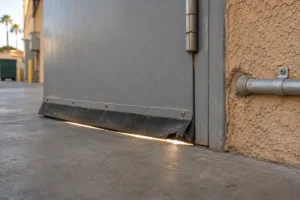
- Seal Entry Points: Regularly inspect your property for potential entry points and seal off gaps or openings to prevent nesting.
- Utilize Visual Deterrents: Use reflective objects or visual deterrents to deter them from nesting in certain areas.
- Professional Assistance: If mud swallows have already established nests on your property, seek assistance from a professional bird control company in San Diego to safely remove nests and implement effective bird control measures.
In conclusion, while mud swallows can be fascinating creatures, their presence can present challenges for homeowners. By understanding their habits and employing proactive bird control strategies, you can effectively manage mud swallow populations and maintain a pest-free environment in San Diego.
Contact a pest control company near you today for a free bird control quote and discover effective solutions to manage mud swallow populations around your home.
One Response
My brother (age 38) caused the deaths of two baby birds as he was removing nests from my mother’s roof. The birds died when they fell to the ground from my mother’s two-story residential, tract house. This happened only a few days ago. Personally, I believe that state/
local governments should provide financial incentives for the removal of bird nests by knowledgable, trained professionals. Homeowners could be compensated for the cost(s) associated with having trained professionals remove nests. My brother, at first, thought that he was removing wasps’ nests. The deaths of the two baby birds (likely cliff swallows) could have been prevented and should not have happened. My brother feels terrible that those birds lost their lives. My brother is/was obviously not a trained professional. A skilled/trained pest control worker should have been hired instead of my brother. From my own perspective, I want to reduce the likelihood that something like this will happen again, and providing financial incentives for the hiring of pest control experts would be a step in the right direction.