Ant Season in SoCal: What San Diego Homeowners Need to Know Right Now
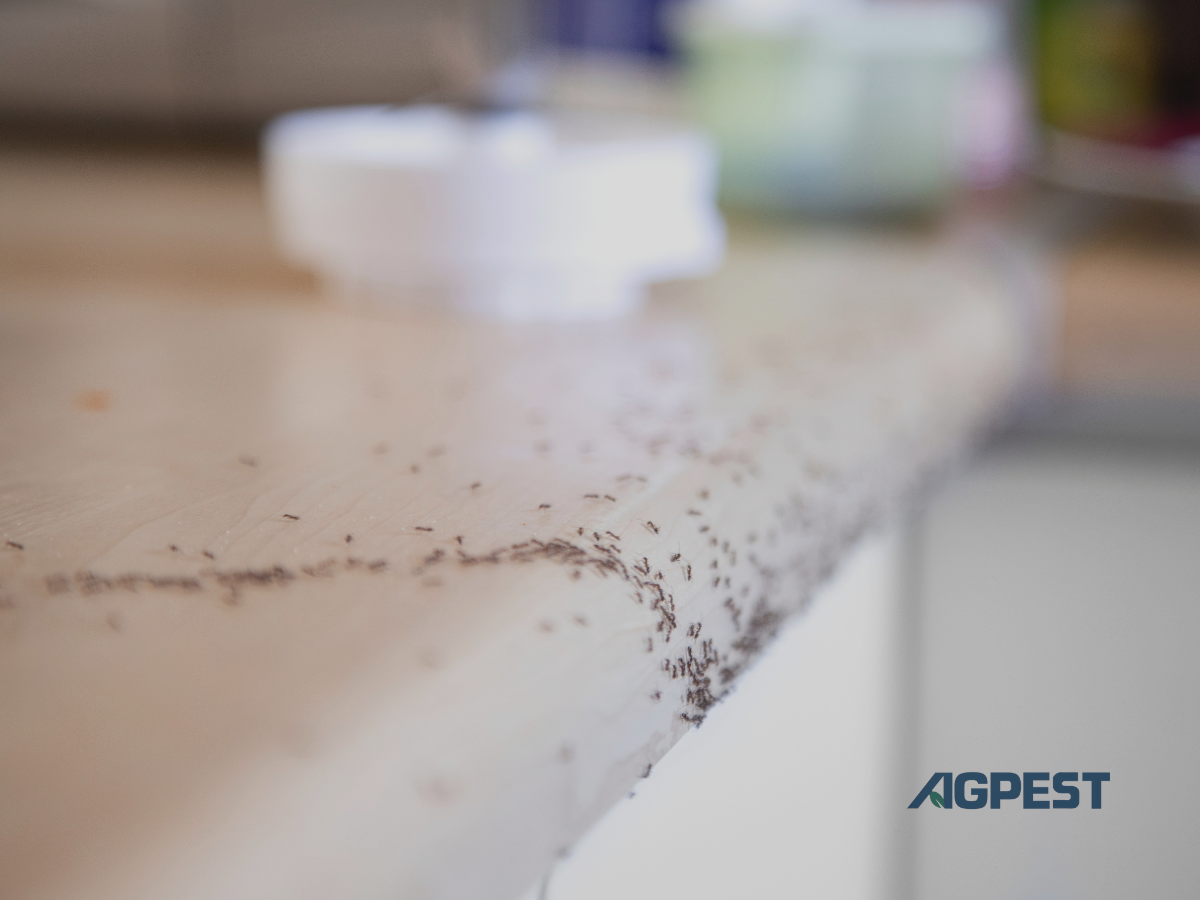
If you’re suddenly seeing ants marching across your countertops or trailing along your baseboards, you’re not alone and you’re not doing anything wrong. Spring is peak ant season in Southern California, and San Diego’s mild, coastal climate makes it one of the most active regions in the state. Here’s what’s actually happening, what to watch for, and when it’s time to call a professional.
Why spring is the worst time of year for ants in San Diego
Most of the country has a real off-season for ants: a cold winter that knocks colonies back. Southern California doesn’t have that. Temperatures rarely drop below 40°F, which means ant colonies stay active year-round at a low simmer. Then spring hits, and it’s like someone turned the dial to ten.
Here’s the biology: as soil temperatures climb into the 65 to 75°F range (which happens consistently in San Diego from late February through May) queen ants ramp up egg production and worker populations explode. At the same time, SoCal’s brief rainy season softens the soil and creates the moisture that ants need to expand their nests. The combination of warmth, moisture, and rapidly expanding colonies is exactly why homeowners who’ve never had an ant problem suddenly find themselves with one. It’s also why homeowners who get treated every year know to schedule service before this window hits.
The ant species San Diego homeowners encounter most
Not all ants are the same, and the treatment for one species can be completely ineffective on another. This is one of the most important things most generic pest content gets wrong: it lumps all ants together. Here’s what you’re actually likely to be dealing with.
The most important thing to understand about Argentine ants specifically: they form supercolonies with multiple queens. This means you cannot simply kill the workers you see, because the colony will replenish itself in days. Effective Argentine ant control requires targeting the colony and queens through baiting systems, not just surface sprays.
Signs you have more than a casual visitor
Seeing a few ants near a window is common. Seeing any of the following is a signal that a colony has set up close to or inside your home, and that the problem will get bigger before it gets smaller on its own.
-
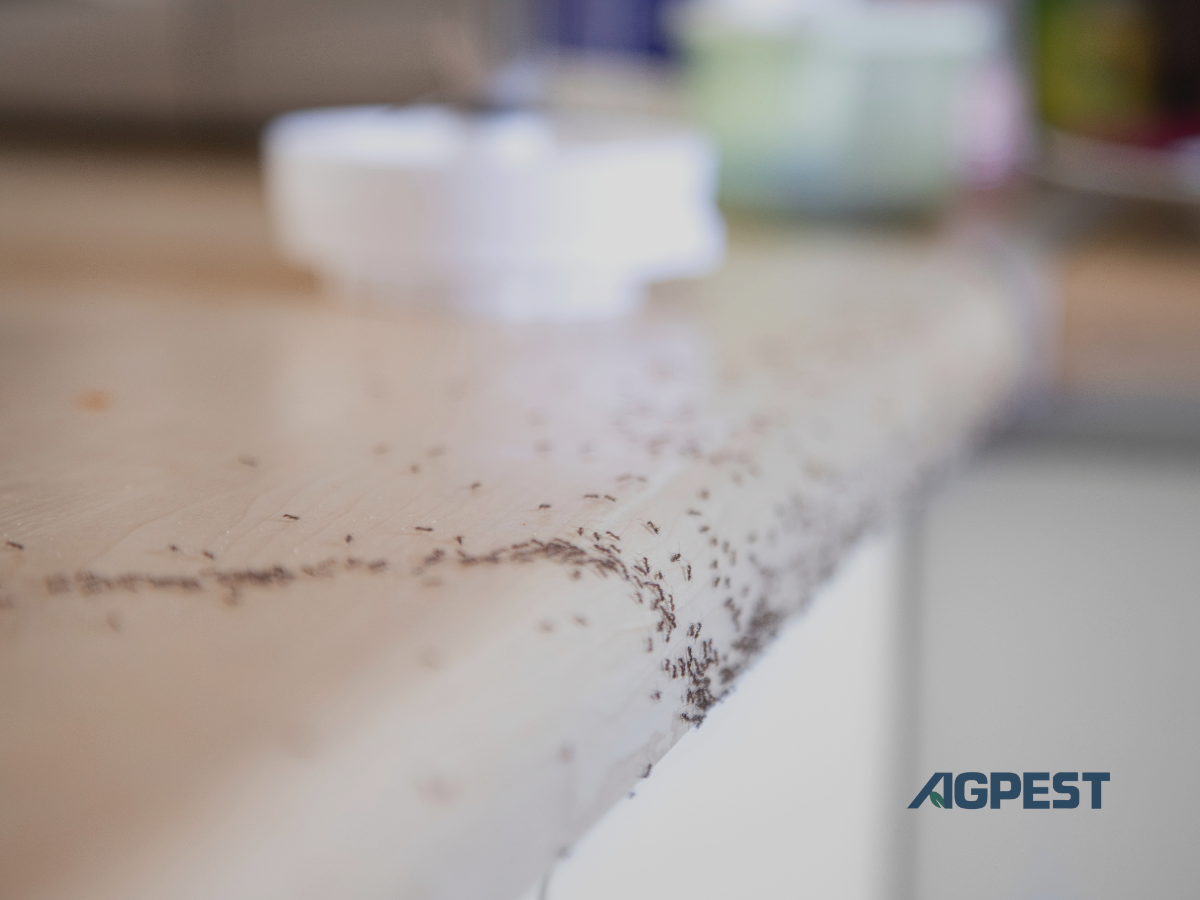
Visible trails, consistently in the same location. Ants follow pheromone trails. A persistent line from outside to inside means scouts have found your home and are directing workers. That trail won’t disappear on its own.
-
Trails near moisture sources. Kitchen and bathroom sinks, dishwasher seals, and areas under appliances are top entry points. Ants that find water here will recruit heavily from the colony.
-
Small piles of sawdust-like material near wood. This is a potential sign of carpenter ants, not Argentine ants. If you see frass (a mix of wood shavings and insect debris) near wooden beams, window sills, or door frames, have a professional inspect immediately, especially after wet winter weather.
-
Discarded wings near windowsills or doors. Winged ants (alates) are reproductive members of the colony. Finding their shed wings indoors usually means swarm season is active and a mature colony is nearby.
-
Ants appearing repeatedly after DIY treatment. If you’ve applied store-bought sprays and the ants return within a week, the colony is almost certainly established nearby. The visible workers are just a fraction of the population.
Coastal vs. inland San Diego: your location changes your risk
This is something most pest content doesn’t address, and it matters a lot for San Diego homeowners. The pest pressure you face depends significantly on where in the county you live.
Coastal communities (La Jolla, Del Mar, Encinitas, Coronado, Mission Hills)
Higher humidity year-round means ants always have moisture available outdoors, but it also means conditions are ideal for Argentine ant supercolonies to grow extremely large. Coastal homes also tend to have older foundation types with more natural entry points. Argentine ant activity in these zip codes tends to peak in spring and again after any significant rainfall event, when nests flood and colonies are forced to relocate, often into homes.
Inland communities (El Cajon, Santee, Lakeside, Spring Valley, Poway)
The heat-moisture dynamic flips inland. During dry summer months, ants are driven inside specifically because outdoor water sources dry up. Your kitchen and bathrooms become their only option. Spring is still active season, but the second major wave tends to hit in July and August during heat spikes. Carpenter ant activity also tends to be higher inland where older trees and wood structures are more prevalent.
6 things San Diego homeowners can do right now
When does DIY stop being enough?
Store-bought ant sprays and bait stations work fine for truly isolated, minor ant sightings. But they have a fundamental limitation: they address the workers you can see, not the colony itself.
For Argentine ants (the primary species San Diego homeowners deal with) a mature supercolony can contain millions of workers across multiple nest sites. Killing surface-visible workers is essentially meaningless, because the colony simply sends more. Professional ant control works differently. It uses non-repellent transfer treatments and targeted bait systems that workers carry back to the colony, ultimately affecting the queens and eliminating the nest.
You likely need professional ant control if:
- You’ve treated with store products and the ants returned within two weeks
- You’re seeing ant activity in the same location every spring, year after year
- You’ve found any indication of carpenter ants (sawdust-like material, large black ants near wood)
- Ants are appearing inside from multiple entry points simultaneously
- You have a crawl space, older foundation, or large landscaped area adjacent to the structure
Not sure what you’re dealing with?
AG Pest Control provides free inspections for San Diego County homeowners. Our technicians identify the species, locate the source, and explain your options with no pressure and no upsell.
Request a Free InspectionFrequently asked questions about ant control in San Diego
Ready to get ahead of ant season?
Don’t wait until you have a full infestation. AG Pest Control serves all of San Diego County with free inspections and same-week scheduling.
Get a Free QuoteArgentine ant colonies are perennial. They don't die off in winter, they just slow down. A single treatment controls the population for a season, but the colony continues to grow in the soil around your property. Without a recurring preventative program (typically quarterly), the colony rebuilds to the point where it begins indoor invasions again each spring. Annual reactive treatment is significantly less effective than a quarterly maintenance program for most San Diego homes.
Yes. Licensed pest control companies in California are required to use EPA-registered products applied in targeted, minimal amounts. Exterior perimeter treatments are typically dry within 30 to 60 minutes. Indoor treatments focus on wall voids and entry points away from living surfaces. Your technician will provide specific re-entry instructions for pets and children after service.
You'll typically see a reduction in visible ant activity within 2 to 5 days. For colony elimination via baiting, the full effect takes 2 to 4 weeks as the treatment works through the colony. Don't be alarmed if you see increased activity in the first day or two after treatment. This is normal as ants interact with the bait. A severe infestation may require a second treatment to fully resolve. Perimeter treatments typically hold for 60 to 90 days when the treated surfaces aren't washed away by irrigation or rain.
It matters enormously. Argentine ants are small (1 to 2mm), light brown nuisance pests that contaminate food and are extremely difficult to eliminate without colony-targeting methods. Carpenter ants are much larger (6 to 12mm), black or reddish-black, and are wood-destroying organisms similar to termites. Carpenter ant treatment may involve drilling into wall voids or structural wood and requires inspection by a licensed technician to assess whether structural damage has occurred. If you're unsure which species you have, don't attempt DIY treatment. Misidentification is the most common reason homeowner ant treatments fail.
A one-time residential ant treatment in San Diego typically ranges from $120 to $250 depending on the size of the home and severity of the infestation. Quarterly maintenance plans, which are significantly more effective for Argentine ant control, generally run $75 to $120 per visit. Carpenter ant treatments cost more (often $200 to $450 or higher) because they require structural inspection and targeted void treatments. AG Pest offers free inspections so you get an accurate quote before committing to any service.
Yes. Ants that travel through contaminated environments (trash, soil, standing water) can carry and deposit bacteria including salmonella, E. coli, and streptococcus on food preparation surfaces. Pharaoh ants are particularly noted for this in healthcare and food settings. While the risk in a typical residential kitchen is relatively low, it increases significantly once ants have established consistent trails to food storage or prep areas. This is especially relevant in homes with immunocompromised residents, infants, or elderly family members.