
Is That a Brown Recluse? What You’re Really Seeing in Southern California
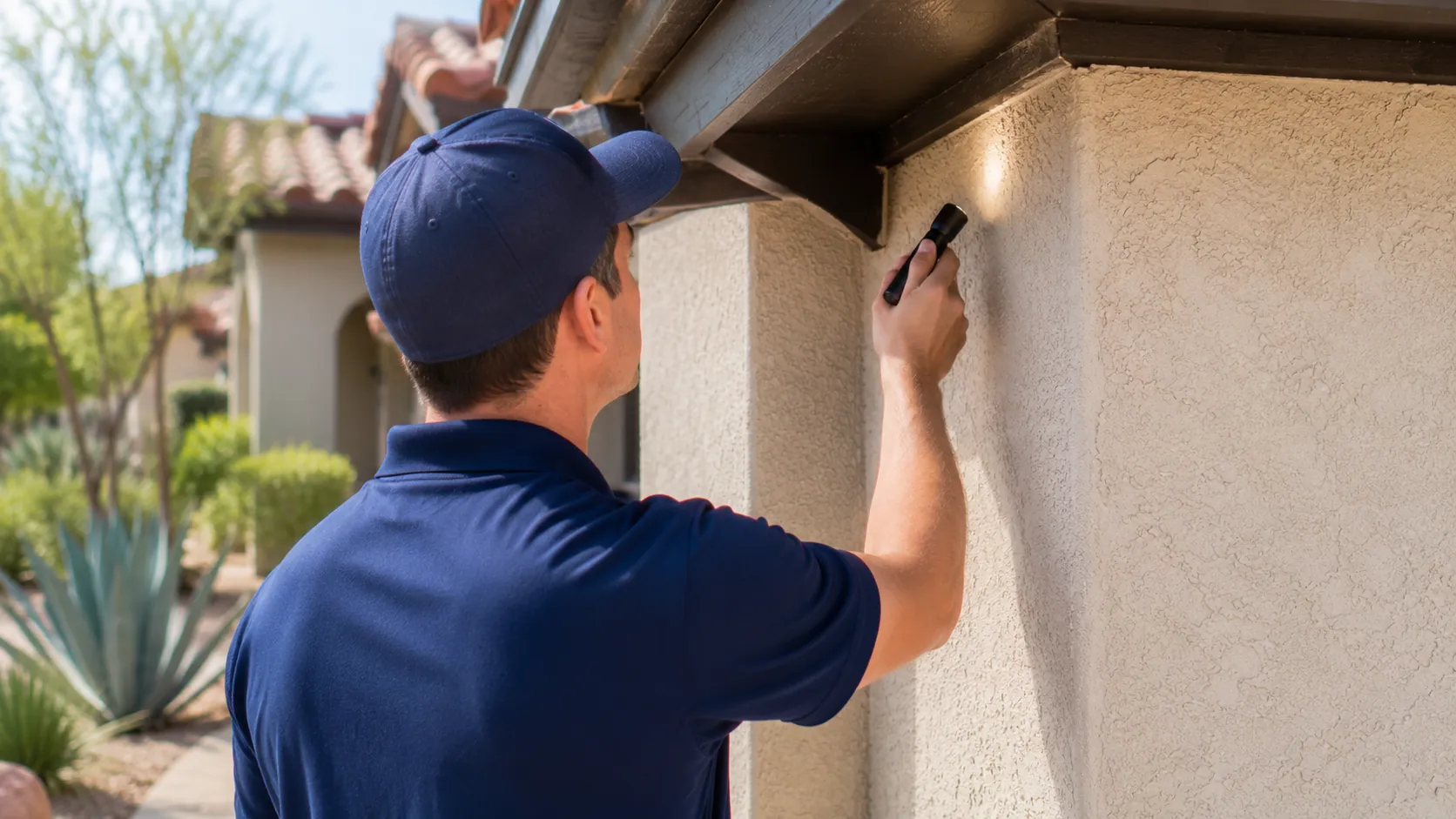
Brown recluse videos are everywhere right now — and if you live in San Diego, Orange County, or Riverside, they’ve probably got you eyeing every spider in the garage. Here’s the good news, straight from the entomologists: the spider in that TikTok almost certainly isn’t living in your Southern California home. Here’s what you’re actually looking at, and which spiders are worth your attention.
Do brown recluse spiders live in Southern California?
No — and this isn’t a maybe. The brown recluse (Loxosceles reclusa) is native to the central Midwest and Southeast: think Nebraska down to Texas and east toward Ohio and Georgia. It has never established a foothold in California. Over decades, researchers have collected fewer than a dozen brown recluses in the entire state, and nearly every one arrived in a moving box or shipment from somewhere else.
The gap between fear and reality is striking. Entomologists point out that more Californians are told they have a “brown recluse bite” in a single month than the total number of brown recluse spiders ever found in the state. In other words, the diagnosis is common; the spider is not.
California does have a couple of recluse cousins — the desert recluse lives in our sparsely populated eastern deserts, far from the coast — but they aren’t the spiders turning up in a Carlsbad garage or a Riverside patio. If you’re in a home in San Diego, Orange County, or the Inland Empire, a true recluse is not what you’re dealing with.
So what spider am I actually seeing?
Most “brown recluse” sightings in SoCal turn out to be one of a handful of look-alikes. Here are the usual suspects — and how worried you should (or shouldn’t) be.
Wolf spider
Large, fast, brown, and hairy — which is exactly why it scares people. Wolf spiders hunt on the ground rather than build webs, and they’re beneficial predators. Not medically significant.
Woodlouse spider
Reddish-orange body, cream abdomen, big jaws. Looks alarming, lives under pots and mulch, and eats pill bugs. Not a threat to people.
Cellar spider (“daddy long-legs”)
Thin legs, messy webs in corners and garages. The myth that they’re “deadly but can’t bite” is false — they’re simply harmless.
False widow (Steatoda)
Brown, round-bodied, often confused with both recluses and widows. Bites are rare and usually mild — but its resemblance to the real widows below is why an ID matters.
Notice the pattern: brown, medium-sized, a little menacing — and essentially harmless. The genuine violin-shaped marking of a real recluse is subtle and frequently misread, even by professionals, which is how the myth keeps spreading.
The spiders that actually matter in SoCal: black and brown widows
If you’re going to worry about a spider in Southern California, make it a widow — not a recluse. These are the two that genuinely warrant care around your home.
Western black widow
Glossy black with the classic red hourglass underneath. Black widows love undisturbed, sheltered spots: woodpiles, meter boxes, block walls, patio furniture, garage corners, and under outdoor seating. Their bite can cause muscle pain, cramping, and other symptoms, and while rarely life-threatening for healthy adults, it’s a real reason to keep them away from where kids and pets play.
Brown widow
The newcomer that’s now everywhere in coastal SoCal. Tan to brown with a distinctive orange hourglass and a spiky, sand-colored egg sac. Brown widows have largely taken over the exact patio-and-garage niches people check for black widows — under railings, patio furniture, mailboxes, and eaves. Their venom is less of a concern than the black widow’s, but the sheer number of them around SoCal homes is why we get so many calls.

Not sure what you found? Get a free inspection →
Why you’re seeing more spiders in July
Summer is peak spider season across Southern California, and it’s not a coincidence. Warm weather sends spiders’ favorite food — ants, flies, and other insects — into overdrive, and more prey means more spiders. Dry heat also pushes them toward the cooler, sheltered, sometimes-damp spaces around your home. It’s the same seasonal pressure that drives our summer pest surge across San Diego, Orange County, and Riverside. Control the insects spiders feed on, and you take away the reason they move in.
How to keep spiders out of your home
Not sure what you found? Get a free inspection →
Why you’re seeing more spiders in July
Summer is peak spider season across Southern California, and it’s not a coincidence. Warm weather sends spiders’ favorite food — ants, flies, and other insects — into overdrive, and more prey means more spiders. Dry heat also pushes them toward the cooler, sheltered, sometimes-damp spaces around your home. It’s the same seasonal pressure that drives our summer pest surge across San Diego, Orange County, and Riverside. Control the insects spiders feed on, and you take away the reason they move in.
How to keep spiders out of your home
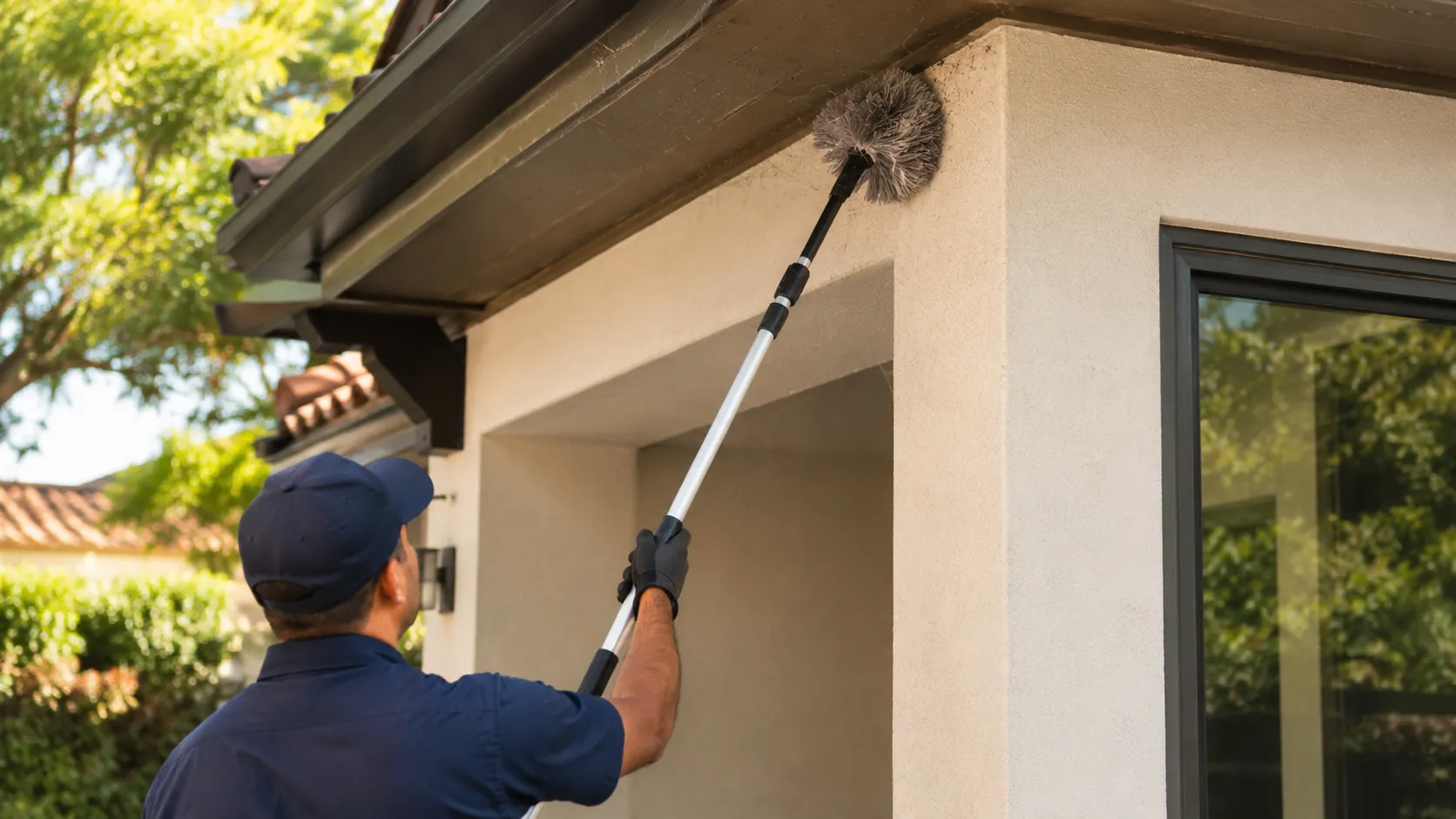
- Knock down webs and egg sacs. Regularly sweep eaves, corners, patio furniture, and around doors. Removing egg sacs prevents the next generation.
- Reduce the food supply. Spiders follow insects. Cutting down ants and flying pests removes the buffet keeping them around.
- Seal the entry points. Weatherstrip doors, screen vents, and caulk gaps around windows and pipes — the same openings other pests use.
- Declutter shelter. Move woodpiles, cardboard, and debris away from the foundation, and shake out shoes, gloves, and stored items in the garage.
- Light it smart. Outdoor lights attract insects, which attract spiders. Switch to bug-resistant bulbs or move fixtures away from doors.
Found a spider you can’t identify?
Skip the guesswork. Our licensed local techs will tell you exactly what you’re dealing with — no pressure, no scare tactics.
Frequently asked questions
Are there brown recluse spiders in San Diego or Orange County?
No. Brown recluse spiders have no established populations anywhere in California, including San Diego, Orange County, and Riverside. The handful ever found in the state arrived in shipments from other regions. A brown spider in your SoCal home is almost always a harmless look-alike.
What spider is most often mistaken for a brown recluse in Southern California?
Wolf spiders, woodlouse spiders, cellar spiders, and false widows are the most common look-alikes. They’re brown and a bit intimidating, but not medically significant. The genuine recluse’s violin marking is subtle and easy to misread.
What is the most dangerous spider in Southern California?
The western black widow is the spider of genuine medical concern in SoCal, identified by its glossy black body and red hourglass. The brown widow, marked by an orange hourglass, is far more common around homes but less venomous.
How do I tell a black widow from a brown widow?
Check the hourglass. A red hourglass on a shiny black body is a black widow. An orange hourglass on a tan-to-brown body — usually near a spiky, sand-colored egg sac — is a brown widow.
Should I call a professional about spiders?
If you’re finding widow spiders, egg sacs, or spiders you can’t identify near living or play areas, an inspection is worth it. A pro removes the spiders and egg sacs, treats the insects they feed on, and confirms exactly what you’re dealing with.