Late-Summer Pest Control in Southern California: Your August–October Guide
Late summer is the moment pest pressure quietly shifts gears in Southern California. Wasps and yellowjackets turn their most aggressive, ant colonies hit peak size, and as the first cooler nights arrive, rodents start hunting for a way indoors. From August through October, the pests aren’t winding down — they’re making their last, hardest push before fall. Here’s what to expect, why it happens, and what actually keeps them out.

What pests are most active in late summer in Southern California?
The short answer: wasps and yellowjackets, Argentine ants, rodents, spiders, and — for palm owners — the South American palm weevil. By August, insect colonies that spent the spring building are now at full size, food outdoors is starting to run short, and the first hints of cooler weather begin to send certain pests looking for shelter. It’s a season of peaks and transitions. Here’s the month-by-month picture. (For the earlier part of the season, see our summer pest calendar.)
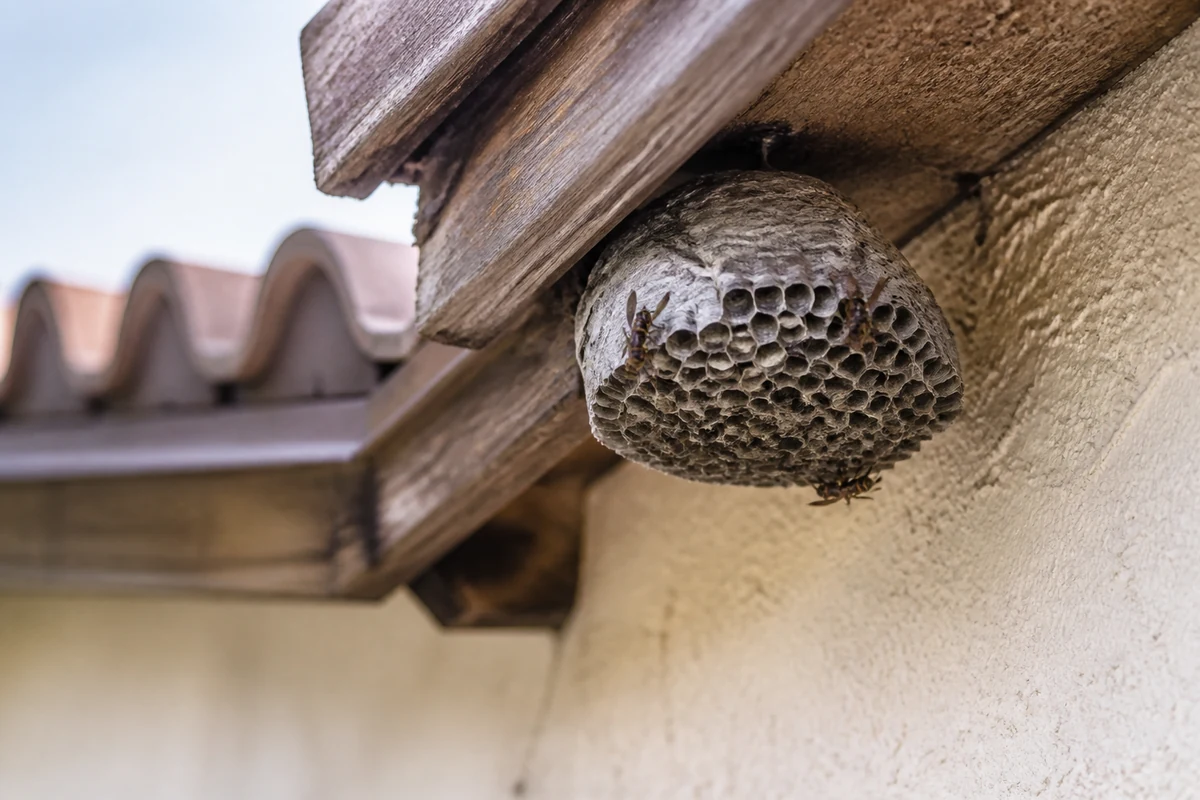
In late summer, wasp and yellowjacket colonies reach full size — and get noticeably more aggressive.
August: wasps and yellowjackets at their most aggressive
August is peak sting season. Wasp and yellowjacket colonies have grown all summer, and as natural food sources dwindle, they get bolder and more defensive around anything sweet or protein-rich — think backyard barbecues, trash cans, and pet bowls. Nests under eaves, in patio covers, in the ground, and around play structures become a genuine safety concern, especially for families and anyone with a stinging-insect allergy. (Here’s how aggressive paper wasps actually get.) Meanwhile, Argentine ants are still at peak strength, pushing indoors toward water and kitchens.
September: ants surge and rodents start moving in
As the first cooler nights arrive, two things happen at once. Ant colonies, sensing the shift, forage harder and move indoors in larger numbers. And rodents — roof rats and mice — begin scouting for warm, sheltered places to spend the fall and winter, slipping in through gaps in the roofline, vents, and garage doors. What you do in September often decides whether you have a rodent problem in December.
October: the move indoors accelerates
By October, the pattern is in full swing: rodents actively seeking entry, spiders at their late-season peak as they feed on the summer’s insects, and lingering wasp activity until the first real cold snap. For palm owners, the South American palm weevil — active March through November — is still in its dangerous window. October is prime time to seal up before the wetter, cooler months.
SoCal late-summer pest activity calendar
Use this at-a-glance calendar to see which pests are peaking each month — and what to prioritize.
| Pest | August | September | October | What to do |
|---|---|---|---|---|
| Wasps / yellowjackets | Peak | Peak | Active | Remove nests early & keep food/trash sealed |
| Argentine ants | Peak | Peak | Active | Treat the colony + seal entry points |
| Rodents (roof rats, mice) | Active | Peak | Peak | Seal roofline & vent gaps before fall |
| Spiders | Active | Peak | Peak | Reduce other insects they feed on |
| South American palm weevil | Peak | Active | Active | Continue preventive palm treatment |
Coastal vs. inland: why your late-summer pest risk differs
Southern California isn’t one climate — it’s several. Where your home sits changes which pests press hardest, and the right treatment depends on it.
6 things homeowners can do right now
- Seal the roofline before fall. Check eaves, vents, and where utility lines enter the house. Rodents need only a gap the size of a quarter — and late summer is when they start looking.
- Knock out wasp nests early. A small nest in August becomes a large, defensive colony by September. If it’s near a doorway, eave, or play area, treat it before it grows — from a safe distance, or professionally.
- Lock down food and trash. Late-summer wasps and ants are drawn to sweet drinks, ripe fruit, pet food, and unsealed bins. Tight lids and quick cleanup remove the invitation.
- Cut off the water. Fix dripping spigots and AC condensation lines and clear standing water. In the dry end of summer, water draws more pests than food.
- Trim the bridges. Keep tree branches and shrubs off the roof and walls — they’re direct routes for ants, rodents, and spiders.
- Don’t wait for a trail to become a line. An occasional ant or wasp is normal. Daily ant trails, repeat wasp sightings, or scratching in the walls are signals — and the earlier they’re addressed, the simpler the fix.
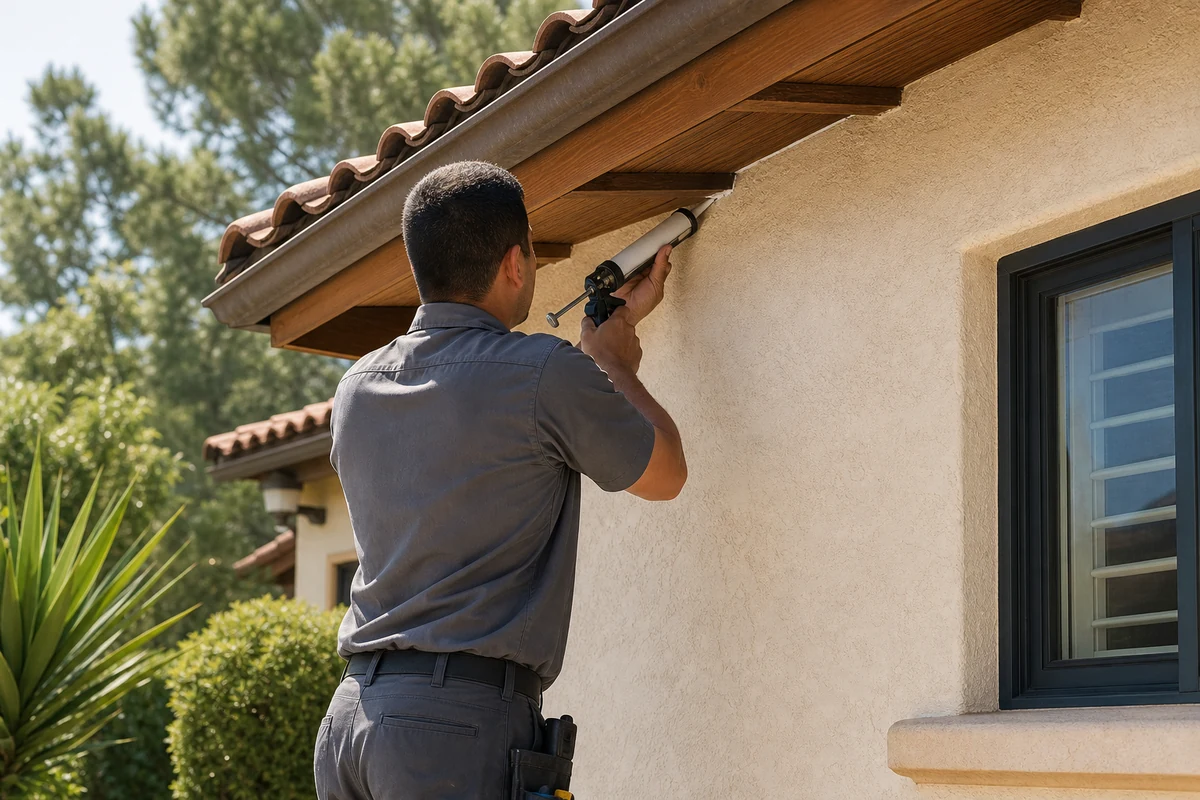
Sealing entry points in late summer is what keeps fall’s rodents outside.
When to call a professional
If you’re seeing daily ant trails, a wasp nest larger than a golf ball, repeated stinging-insect activity around the yard, droppings or scratching in the walls or attic, or any signs of palm decline, it’s time for an inspection. A good pest control company will tell you what’s actually going on — no pressure, just a clear answer — and treat the source, not just the symptom.
At AG Pest Control, we’ve protected homes across San Diego, Orange County, and Riverside for over 40 years. We remove nests safely, seal the entry points rodents use, treat the colony, and explain what we find in plain language — and we never push you into anything you don’t need. For authoritative background on stinging insects and control, the UC Statewide IPM Program’s Yellowjackets and Other Social Wasps Pest Notes is the best free reference for California homeowners.
Get ahead of the late-summer shift
A quick inspection gives you a clear picture of what’s happening at your home — and what (if anything) to do before fall. No pressure, ever.
Request a Free InspectionFrequently asked questions about late-summer pests in SoCal
Protect your home into fall
AG Pest Control serves San Diego, Orange County, and Riverside with no-pressure inspections and preventative programs. We treat the source — and explain everything in plain language.
Get a Free Quote